
Plants Shaped for Health and Function
Tree, Shrub and Hedge Trimming in Harrisburg for landscapes where overgrowth blocks sightlines or creates structural weaknesses
Central Pennsylvania's growing season produces vigorous shoot growth on hedges and shrubs, and pruning maintains plant structure while preventing overgrowth that blocks windows, encroaches on walkways, or creates dense canopies that trap moisture and reduce airflow. Keystone Greenscapes, LLC performs trimming work that removes crossing branches, controls plant size, and shapes ornamental trees to complement landscape design rather than dominate it. Properties on regular trimming schedules avoid the heavy corrective pruning that becomes necessary when plants grow unchecked for multiple seasons, and targeted cuts during the dormant season minimize stress compared to mid-summer shearing when plants are actively growing.
Pruning decisions depend on plant type and purpose—hedges receive shaping cuts that maintain uniform height and density, ornamental trees are pruned to open the canopy and remove deadwood, and shrubs are thinned to improve flowering or control size without creating unnatural shapes. Each cut serves a specific function rather than simply reducing overall plant volume.
Request a maintenance consultation to review trimming schedules that align with your landscape's growth patterns and functional needs.
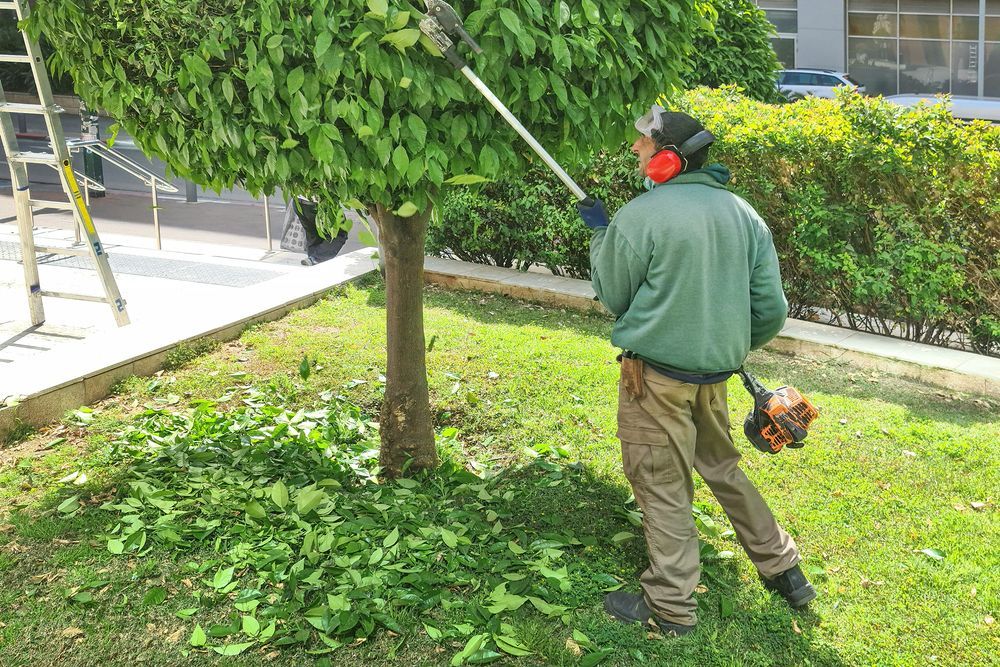
What Proper Pruning Requires
Trimming work isn't about cutting plants to a predetermined shape—it's about making selective cuts that direct future growth, remove damaged or diseased wood, and maintain the plant's natural form while controlling size. Hedges trimmed too aggressively develop bare interior zones where light no longer penetrates, while trees pruned incorrectly form weak branch unions that fail during wind or ice loading.
After trimming, hedges show clean lines and dense foliage from top to bottom rather than thinning at the base, ornamental trees develop balanced canopies that allow light to reach understory plantings, and overgrown shrubs return to proportional sizes that fit their landscape context. You'll also notice improved visibility at intersections or driveways where plant growth previously created blind spots, and better airflow around foundations where dense plantings trapped humidity against siding.
Seasonal trimming schedules prevent the need for drastic cuts that stress plants or leave them misshapen for extended recovery periods. Some species respond better to dormant-season pruning, while others tolerate light shaping after flowering ends, and routine maintenance keeps plants within their intended boundaries without requiring corrective work that removes significant portions of the canopy in a single session.
Answers to Frequent Service Questions
Clients often ask about timing, techniques, and what trimming work includes before scheduling routine maintenance.
How does trimming improve plant health beyond appearance?
Removing dead or crossing branches reduces disease pressure by improving airflow, prevents bark damage where limbs rub together, and directs growth energy toward productive shoots rather than unproductive interior wood.
When should hedges be trimmed to maintain density?
Hedges benefit from trimming in late spring after the initial growth flush and again in mid-summer if needed, avoiding late-season cuts that stimulate tender growth vulnerable to early frost damage in Harrisburg's fall climate.
What happens if shrubs haven't been pruned in several years?
Neglected shrubs often require rejuvenation pruning that removes older wood and stimulates new growth from the base, though this creates a temporary sparse appearance until the plant regenerates over the following season.
Can trimming reduce the amount of cleanup needed during fall?
Proper pruning reduces excessive shoot growth and keeps plants within manageable sizes, which decreases the volume of organic debris that accumulates during seasonal leaf drop and requires removal.
What's the difference between shearing and selective pruning?
Shearing cuts all shoots to a uniform plane and works for formal hedges, while selective pruning removes individual branches to maintain natural plant form and is better suited for ornamental trees and specimen shrubs.
Keystone Greenscapes, LLC schedules trimming work for both residential yards and commercial properties, with routine maintenance plans that keep landscapes consistently managed throughout the growing season. Call (717) 497-5819 to set up a site visit and discuss pruning needs specific to your plant varieties and landscape goals.