Properties That Show Seasonal Color and Structure
Full-Service Landscaping in Harrisburg for residential and commercial properties needing coordinated planting and bed creation
Flower beds lose color and definition when soil compaction prevents root development and plant placement ignores mature spread patterns. Keystone Greenscapes, LLC handles complete softscaping services in Harrisburg, including planting, bed creation, and lawn enhancements designed to maintain curb appeal through multiple growing seasons. Proper soil preparation addresses compaction and drainage before plants are installed, reducing transplant shock and establishing root systems that survive Central Pennsylvania's variable spring temperatures and summer dry periods.
The service includes creating new flower beds with amended soil tailored to selected plant types, installing perennials and annuals positioned for appropriate sun exposure, and coordinating planting schedules with seasonal windows that support establishment. Soil preparation involves loosening compacted layers, incorporating organic matter to improve drainage and nutrient availability, and grading beds to prevent water pooling that leads to root rot during extended spring rains common in this region.
Arrange a property evaluation to identify soil conditions and discuss planting options suited to your site.
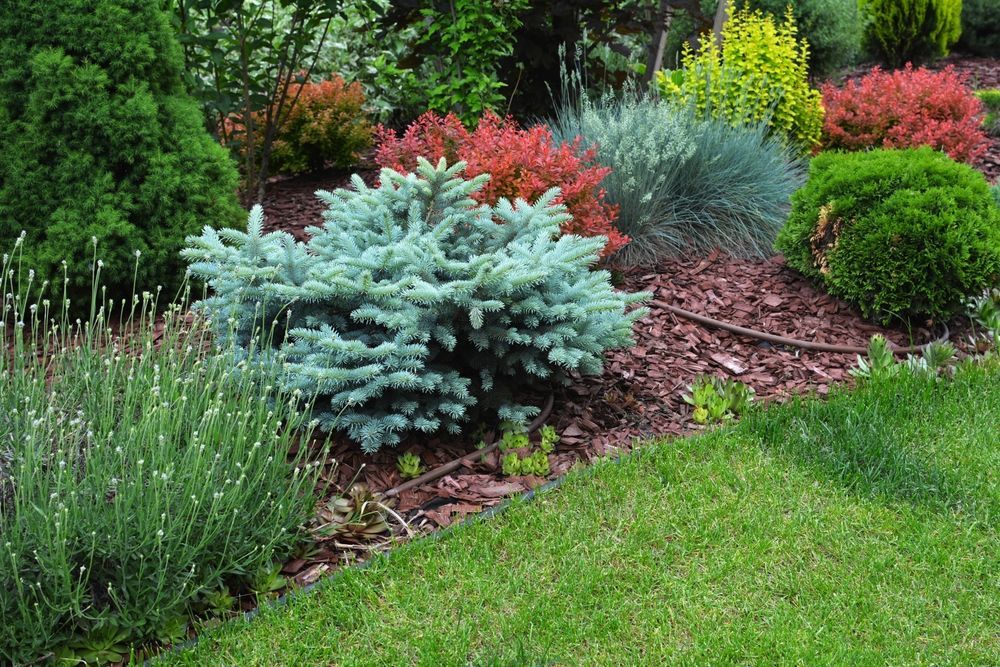
How Soil Preparation Affects Long-Term Plant Health
Soil preparation determines whether plant roots spread into surrounding soil or remain confined to the original planting hole, which directly affects drought tolerance and winter survival rates. The process involves testing soil texture to identify clay content that restricts drainage, breaking up compacted layers that prevent root penetration, and incorporating amendments that adjust pH levels for specific plant requirements. Bed edges are defined before planting to prevent lawn encroachment and establish clear mulch zones that retain moisture during establishment phases.
Once planting is complete, you'll notice that flower beds maintain consistent color throughout the growing season rather than showing patchy growth, plants reach expected mature sizes without crowding neighboring specimens, and beds require less frequent watering because root systems access deeper soil moisture. Lawn enhancements fill thin areas with plugs or overseeding timed to germination windows, creating uniform coverage that reduces weed establishment.
The service supports one-time projects for property upgrades or ongoing landscaping contracts that maintain seasonal rotations and bed health. Plant selection considers maintenance requirements, ensuring that chosen species match your willingness to deadhead, prune, or replace annuals.
Answers to Common Landscaping Questions
Homeowners and property managers typically want to know what soil preparation involves and how plant placement affects outcomes.
What soil amendments improve planting bed performance?
Amendments include composted organic matter to improve drainage in clay soils common around Harrisburg, sulfur or lime to adjust pH based on plant requirements, and slow-release fertilizers that support establishment without promoting excessive vegetative growth that weakens plants before winter.
How is plant placement determined?
Placement accounts for mature plant spread to prevent crowding, sun exposure patterns recorded during site visits, and bloom timing to provide color throughout the growing season rather than concentrated in one period.
When should new beds be installed?
Installation timing depends on plant type—spring planting works for most perennials and annuals once soil temperatures reach 50 degrees, while fall planting suits trees and shrubs that benefit from root establishment before winter dormancy.
Why do some flower beds require more watering than others?
Watering needs vary based on soil texture, with sandy soils draining faster and requiring more frequent irrigation, and sun exposure, as beds in full sun lose moisture faster than shaded areas even with identical soil composition.
What distinguishes temporary beautification from long-term landscaping?
Temporary projects often skip soil preparation and use annuals exclusively, while long-term landscaping incorporates perennials with proper soil amendments and establishment care that supports multi-year growth without replanting.
Keystone Greenscapes, LLC maintains organized project execution from initial bed layout through final planting and mulch application. Schedule a consultation to review property-specific beautification options and ongoing maintenance support.